Hygiene
Professional teeth cleaning
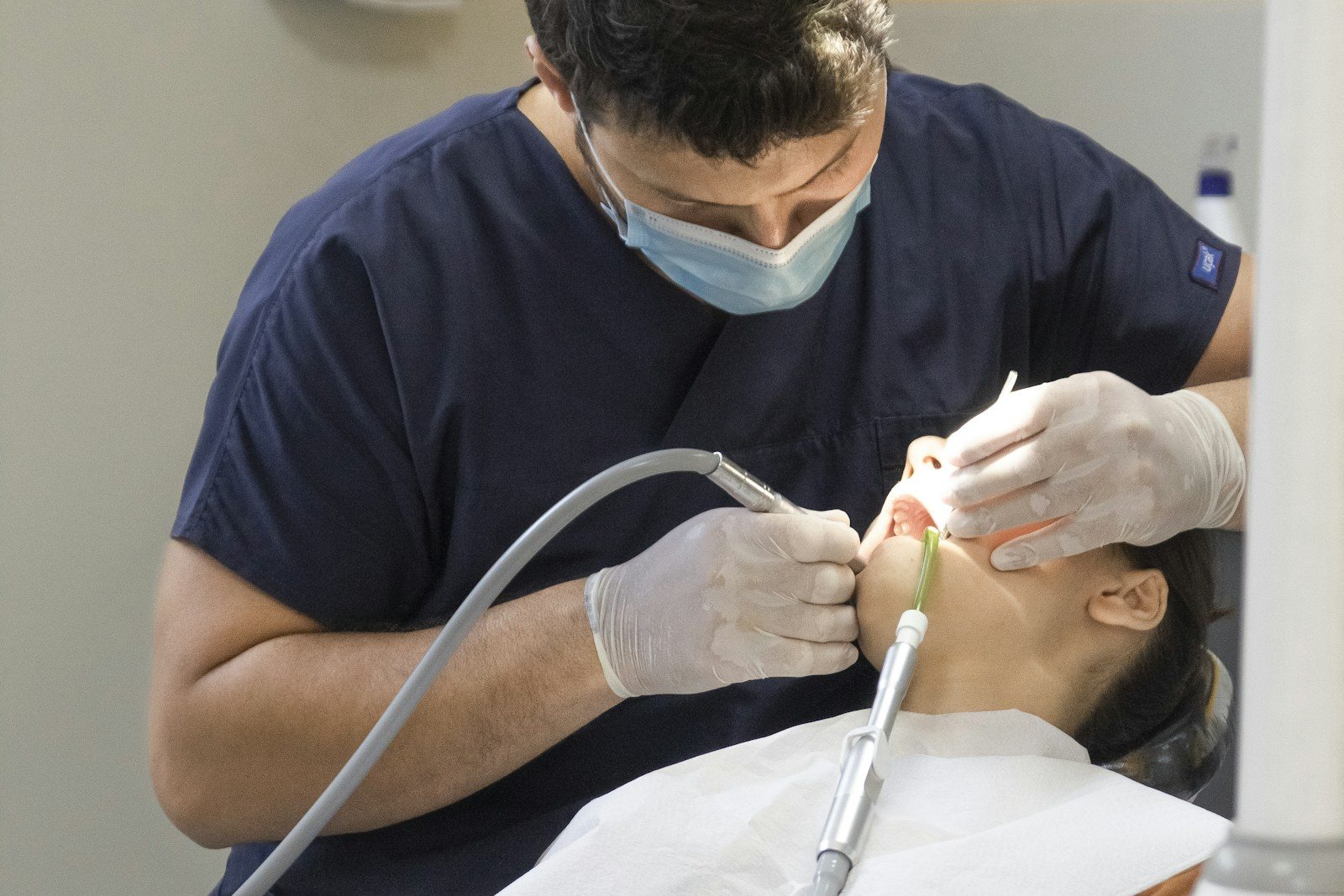
Professional cleaning removes tartar and plaque where a toothbrush and floss cannot cope — above the gum and under its edge.
- from 500 000 UZSultrasonic scaling and polishing
- 2 methodsultrasonic scaling and Air Flow
- Polishingincluded in every cleaning
01 / What it is
What professional cleaning includes
Soft plaque mineralises over time and turns into tartar. It forms above the gum and under its edge, and a toothbrush at home can no longer remove it.
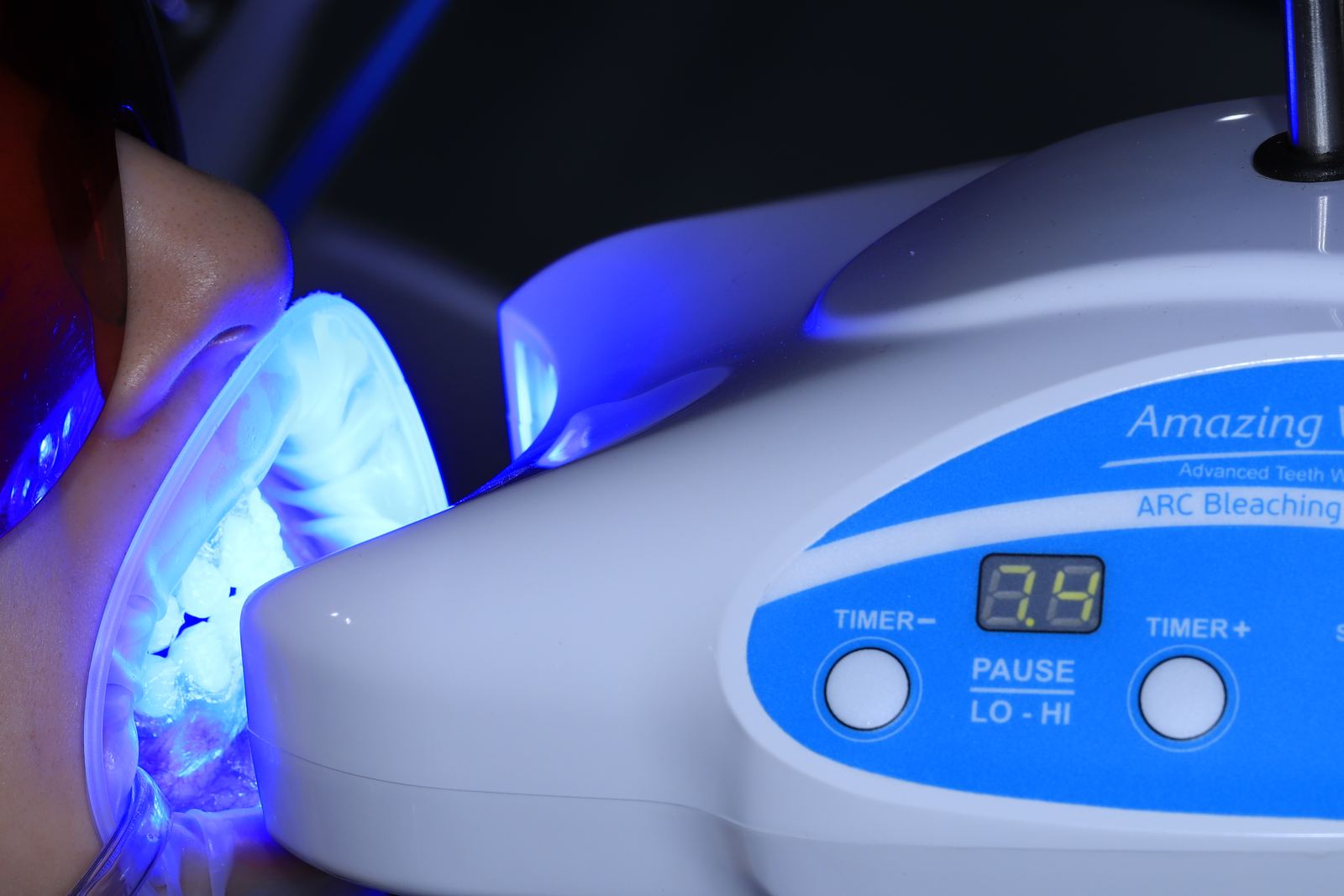
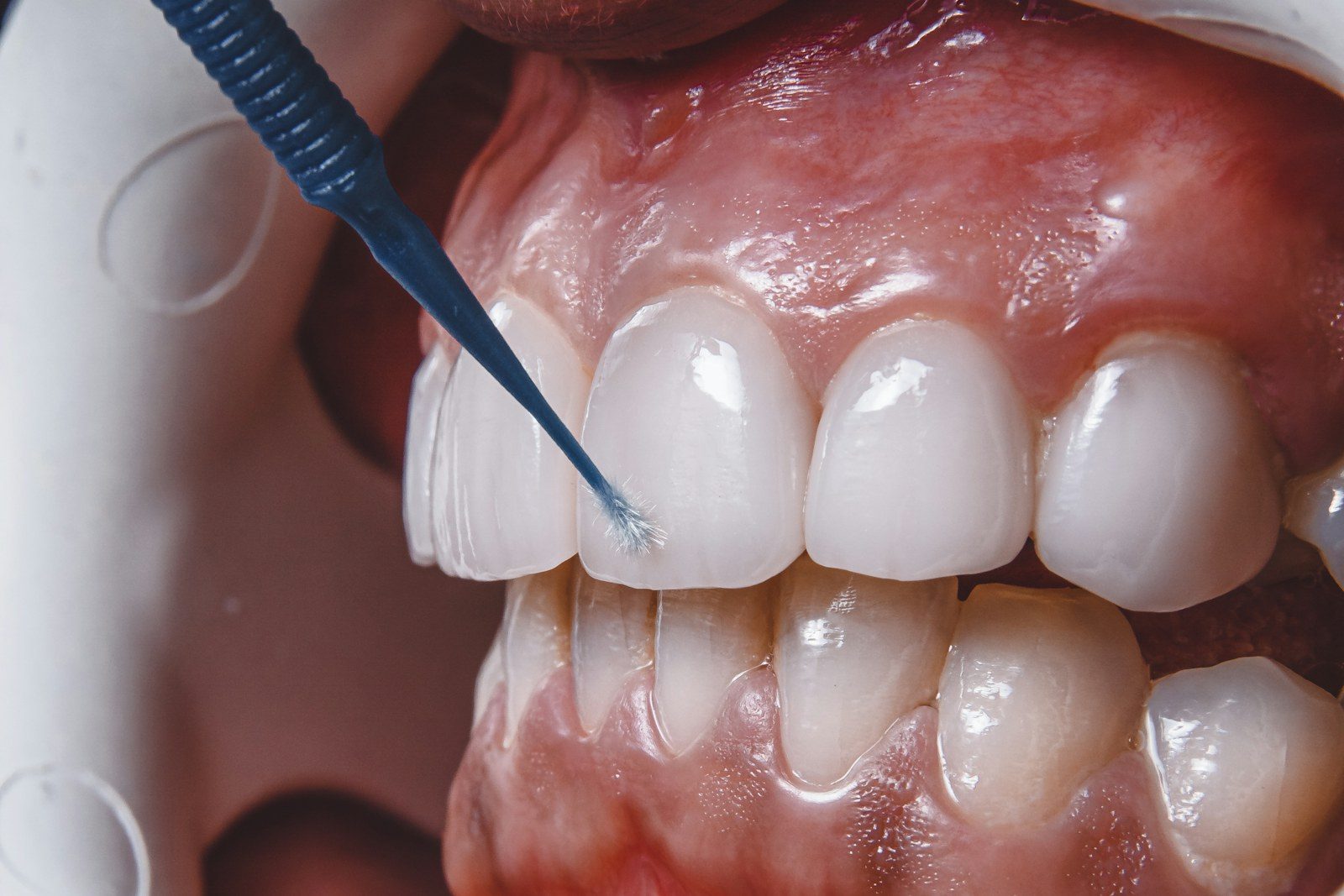
Ultrasound breaks up hard deposits, and Air Flow washes away plaque and stains with a jet of water, air and powder. After that the tooth surface is polished so that new plaque builds up less.
Who it is for
- Tartar or dark plaque is visible on the teeth
- Gums bleed when you brush your teeth
- Bad breath is a concern
- Whitening is planned — it goes on more evenly on clean teeth
- Prosthetic treatment or implant placement is ahead — treatment starts with a clean mouth
- You have braces, crowns or implants that are harder to clean around
If periodontal pockets have formed under the gum, cleaning alone may not be enough — the doctor may suggest curettage.
02 / Stages
How treatment goes
-
Stage 01
Examination
The doctor assesses the condition of the teeth and gums and the amount of deposits, and chooses the cleaning method.
-
Stage 02
Tartar removal
Hard deposits above the gum and under its edge are removed with an ultrasonic tip.
-
Stage 03
Plaque removal
Soft and stained plaque is removed from the tooth surfaces and from the spaces between the teeth.
-
Stage 04
Polishing
The tooth surface is polished with brushes and paste to make it smooth.
-
Stage 05
Care advice
The doctor explains how to care for your teeth at home and suggests when to come for the next cleaning.
03 / Prices
How much it costs
The doctor determines the grade of deposits and the cleaning method at the examination. Curettage is paid for separately; the price is per tooth.
Full price list04 / Questions
Frequently asked questions
Will cleaning damage the enamel?
The ultrasonic tip acts on the tartar, not on the enamel, and with the correct technique the tooth is not damaged. After tartar removal the teeth may become more sensitive for a while — this usually passes on its own.
How is cleaning different from whitening?
Cleaning removes plaque and tartar and gives the teeth back their own colour. Whitening changes the shade of the enamel itself. That is why cleaning is done first, before whitening.
Is it unpleasant?
Most patients tolerate cleaning well. Discomfort is possible at the gum line and if the teeth are very sensitive — tell the doctor, and anaesthesia will be used if needed.
How often is professional cleaning needed?
It depends on how quickly plaque forms, the condition of the gums and whether you have braces, crowns or implants. The doctor recommends the interval individually after an examination.
Start with a consultation
Consultation and examination by a doctor — 150 000 UZS. The doctor will draw up a treatment plan and tell you the exact cost.