Surgery
Wisdom tooth extraction
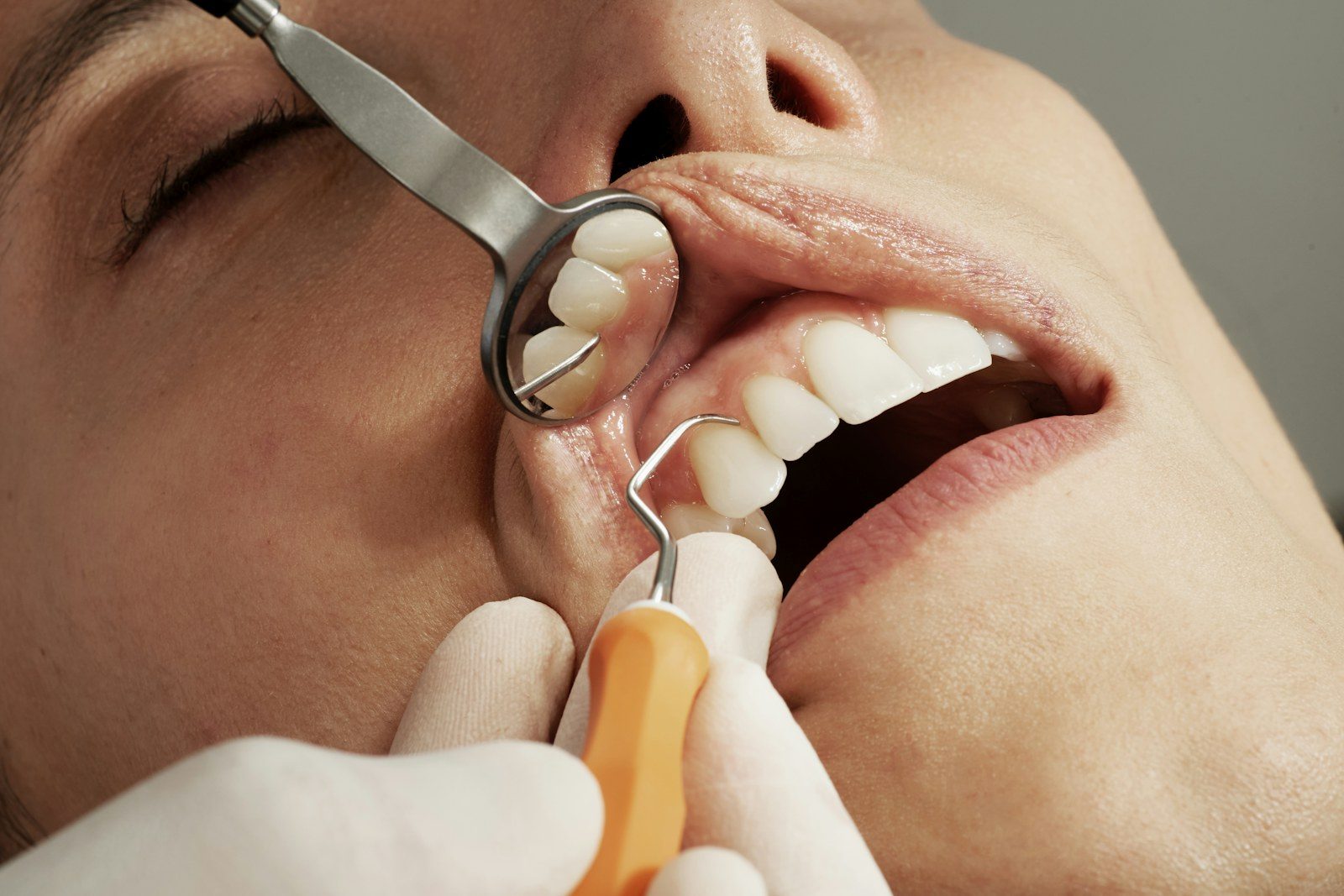
Wisdom teeth erupt last, and there is often not enough room for them in the jaw. The doctor decides whether to extract or monitor them based on an examination and an X-ray.
- from 600 000 UZSwisdom tooth extraction
- Based on an X-raythe doctor assesses the position of the tooth and its roots
- Not always extractiona healthy, correctly positioned tooth can be kept
01 / What it is
Why wisdom teeth cause problems
The eighth teeth are located at the very end of the dental arch. If there is little room, the tooth erupts partially, grows at an angle or stays in the bone. A gum flap forms over such a tooth and plaque builds up under it — the gum becomes inflamed, causing pain and difficulty opening the mouth. A tilted tooth can press on the neighbouring tooth and damage it.
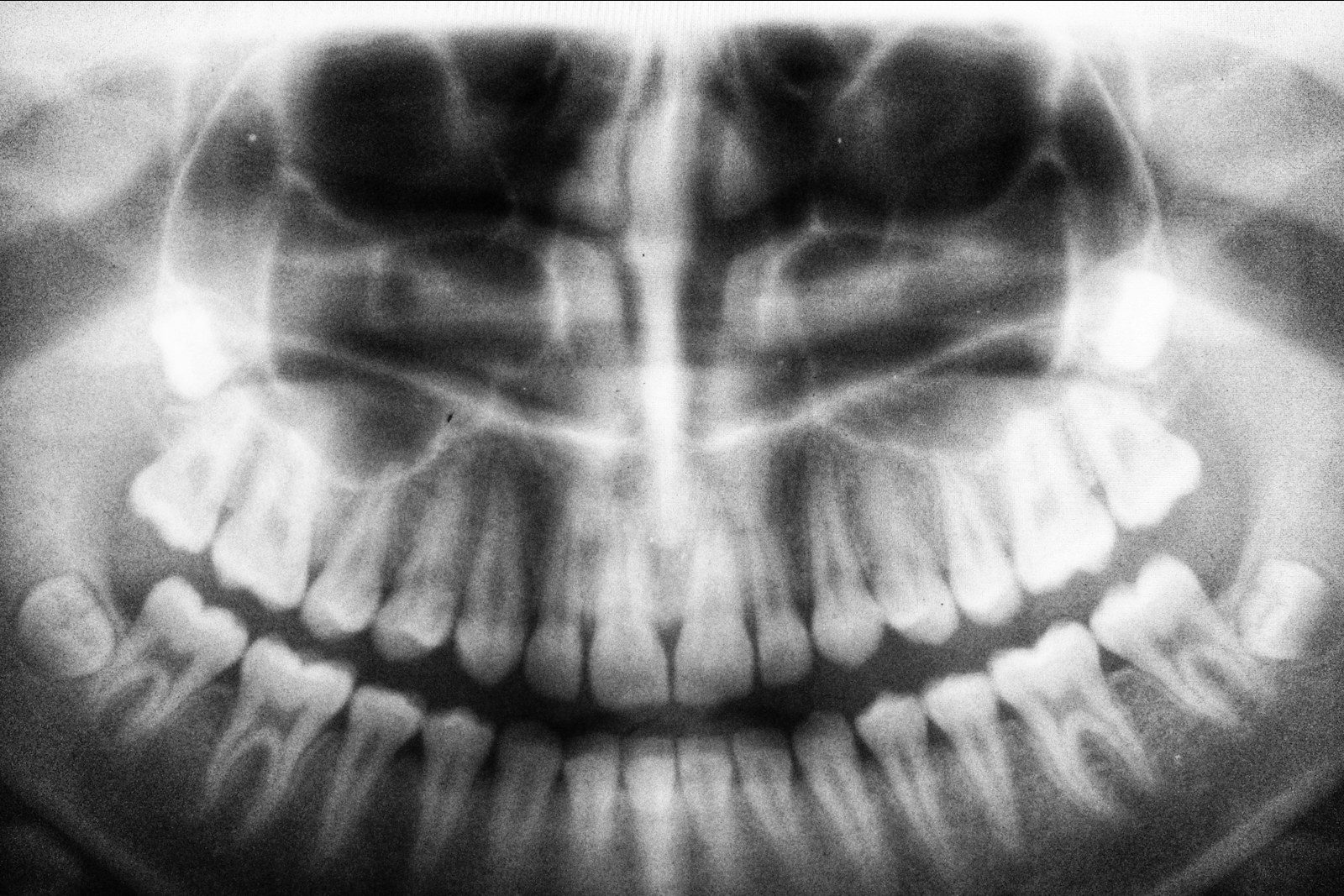
The difficulty of the extraction is determined by the position of the tooth, the shape of the roots and their proximity to the mandibular nerve or the maxillary sinus. That is why a panoramic X-ray or a CT scan is taken before the procedure: the doctor uses it to plan the access and the extent of the work.
Who it is for
- The wisdom tooth does not have enough room and has erupted partially
- The gum over the tooth becomes inflamed repeatedly
- The tooth is tilted and presses against the neighbouring one
- Caries in a wisdom tooth that is hard to treat properly because of access
- The tooth bites the cheek or injures the mucosa
- Extraction on referral from an orthodontist or before prosthetic treatment
A wisdom tooth that is straight, takes part in chewing and can be reached for cleaning does not have to be extracted — it is enough to monitor it at preventive check-ups.
02 / Stages
How treatment goes
-
Stage 01
Examination and X-ray
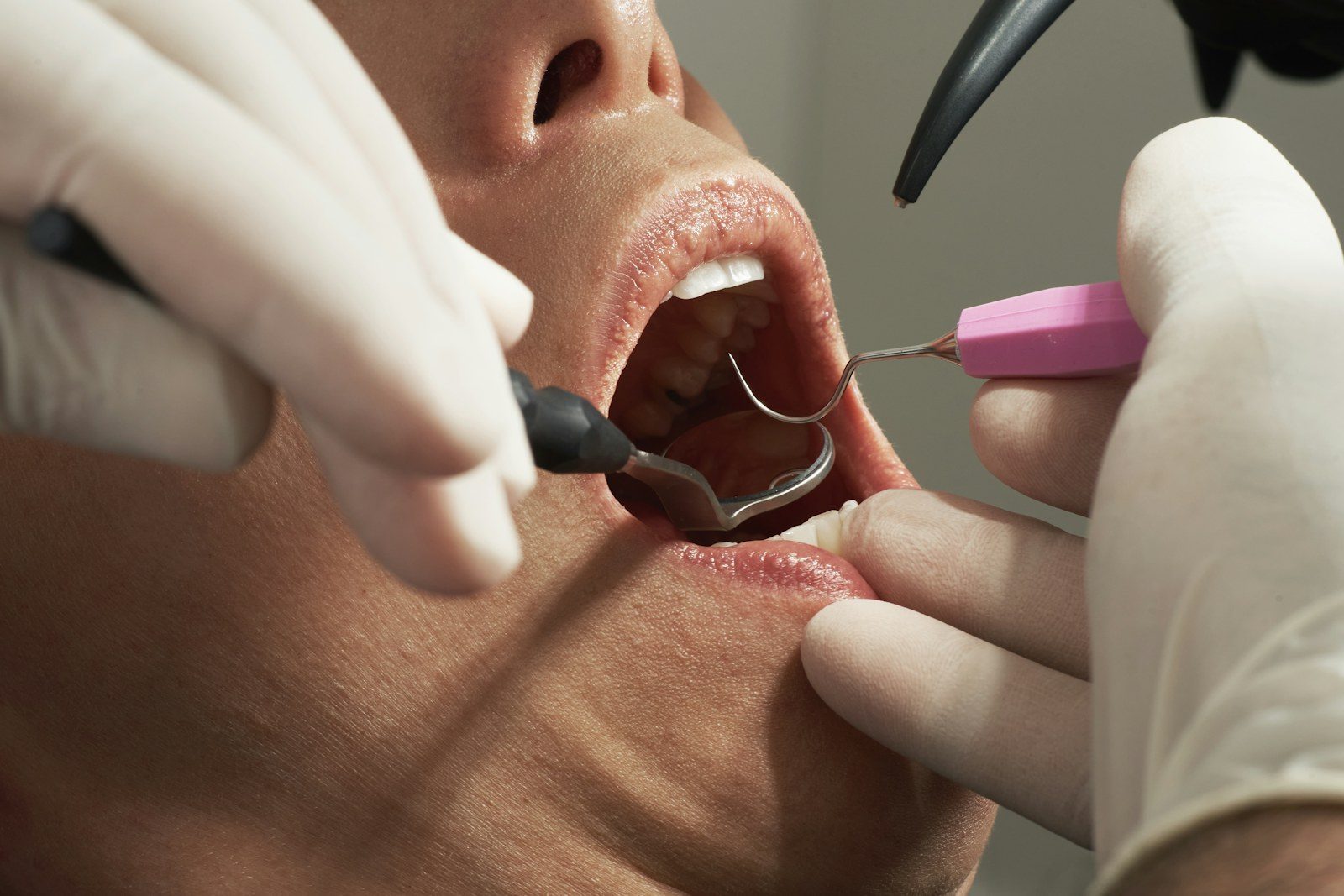
The doctor examines the area of the tooth and uses a panoramic X-ray or CT scan to assess its position, roots and neighbouring structures; the doctor also asks about your health and the medication you take.
-
Stage 02
Anaesthesia
Extraction is carried out under local anaesthesia. The doctor starts once the anaesthetic has taken effect.
-
Stage 03
Access and extraction
An erupted tooth is extracted through the socket. If the tooth is hidden, the doctor lifts the gum, removes a section of bone over it if necessary and divides the tooth into parts.
-
Stage 04
Socket care and sutures
The socket is inspected and treated. After a gum incision the wound is sutured.
-
Stage 05
Advice and follow-up
The doctor explains how to care for the socket and schedules a follow-up visit, at which the wound is treated and the sutures are removed.
03 / Prices
How much it costs
Prices are per tooth. Anaesthesia and X-rays are paid for separately. The doctor determines the type of extraction and the X-ray needed at the examination.
Full price list04 / Questions
Frequently asked questions
Does a wisdom tooth have to be extracted?
No. If the tooth has erupted fully, is straight and can be cleaned, it is kept. Extraction is recommended when the tooth causes inflammation, harms the neighbouring tooth or cannot erupt normally. The doctor decides based on an examination and an X-ray.
How does wisdom tooth extraction differ from an ordinary extraction?
The eighth teeth are located deep in the mouth and often have curved roots, and the tooth itself may lie at an angle or remain in the bone. That is why the doctor more often needs to make a gum incision and divide the tooth into parts, and to place sutures after the procedure.
What to expect after the extraction?
After a wisdom tooth extraction, swelling of the cheek, soreness and limited mouth opening are possible — how pronounced they are depends on the extent of the procedure. The doctor gives care recommendations and prescribes medication if necessary. If the pain increases, you develop a fever or the bleeding does not stop, contact the clinic.
What is alveolitis and how can it be avoided?
Alveolitis is inflammation of the socket that develops if the blood clot in it has not formed or has been lost. To reduce the risk, do not rinse your mouth vigorously, do not touch the socket and refrain from smoking. If after a few days the pain is increasing rather than subsiding, see the doctor: the socket needs to be treated.
Start with a consultation
Consultation and examination by a doctor — 150 000 UZS. The doctor will draw up a treatment plan and tell you the exact cost.