Prosthodontics
Zirconia crowns
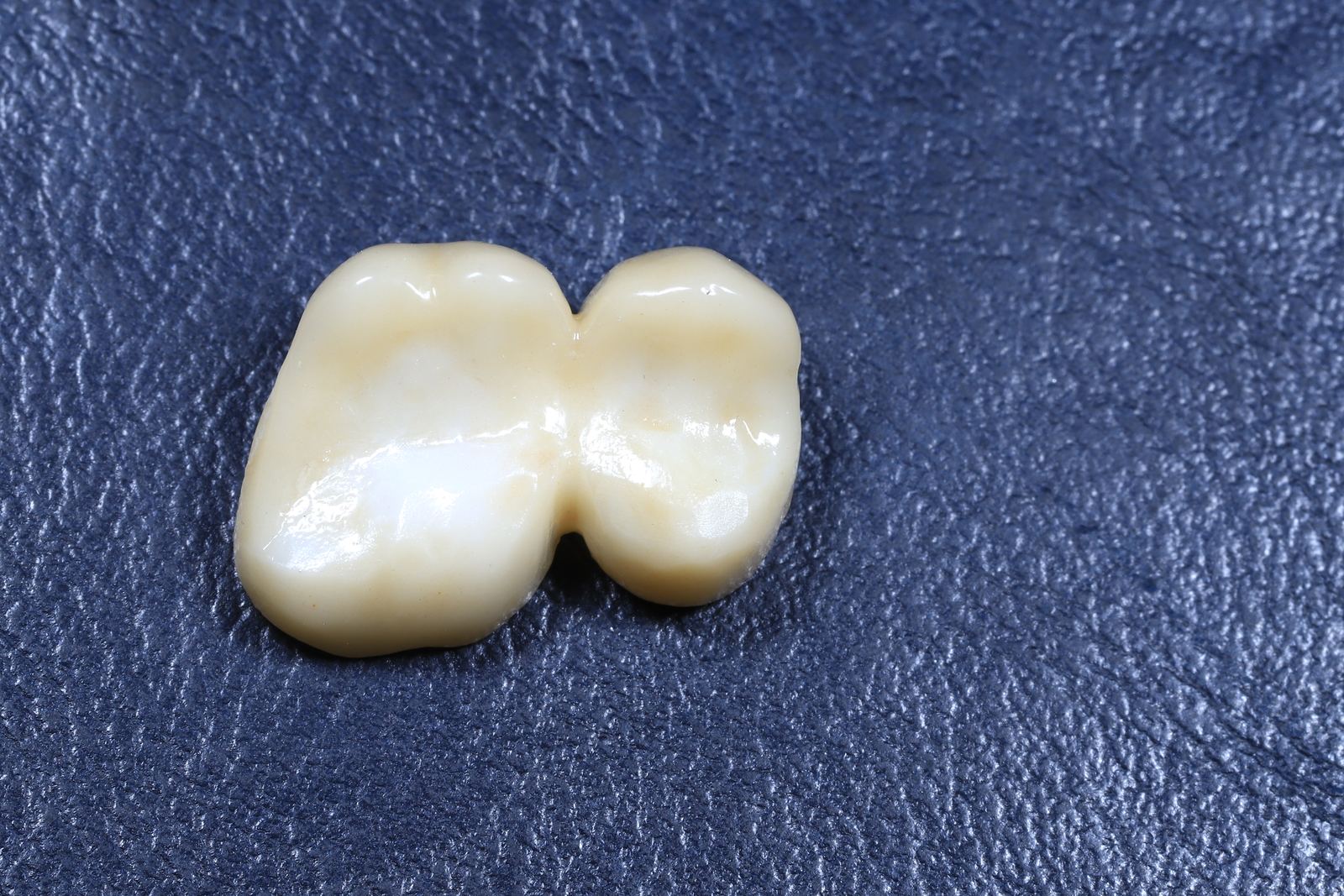
A crown on a zirconia framework contains no metal: it withstands chewing load and keeps a natural shade even at the gum line.
- from 3 600 000 UZSzirconia crown
- Metal-freelight framework, no dark line at the gum
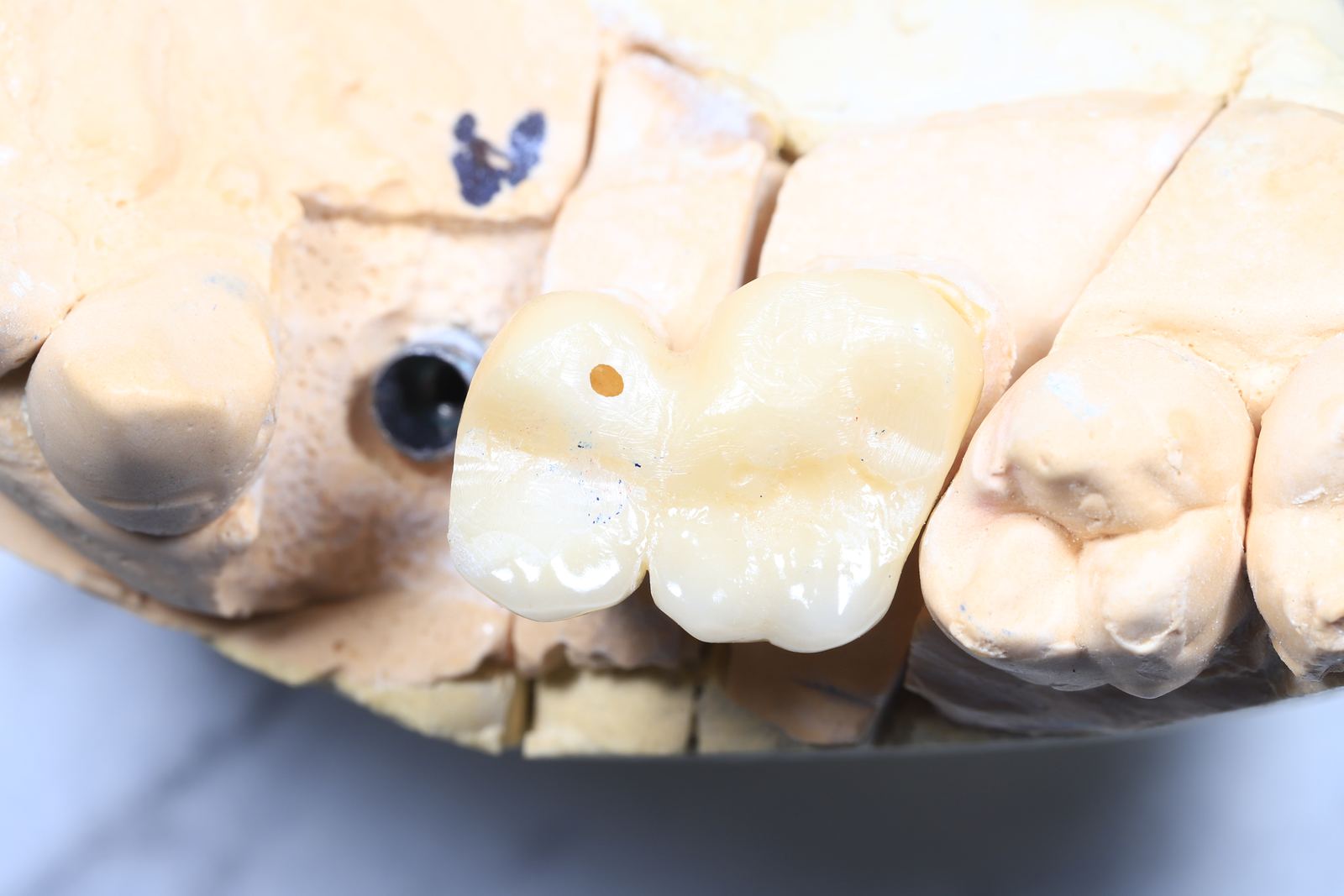
- Tooth or implantthe crown is placed on either support
01 / What it is
How zirconia differs from other materials
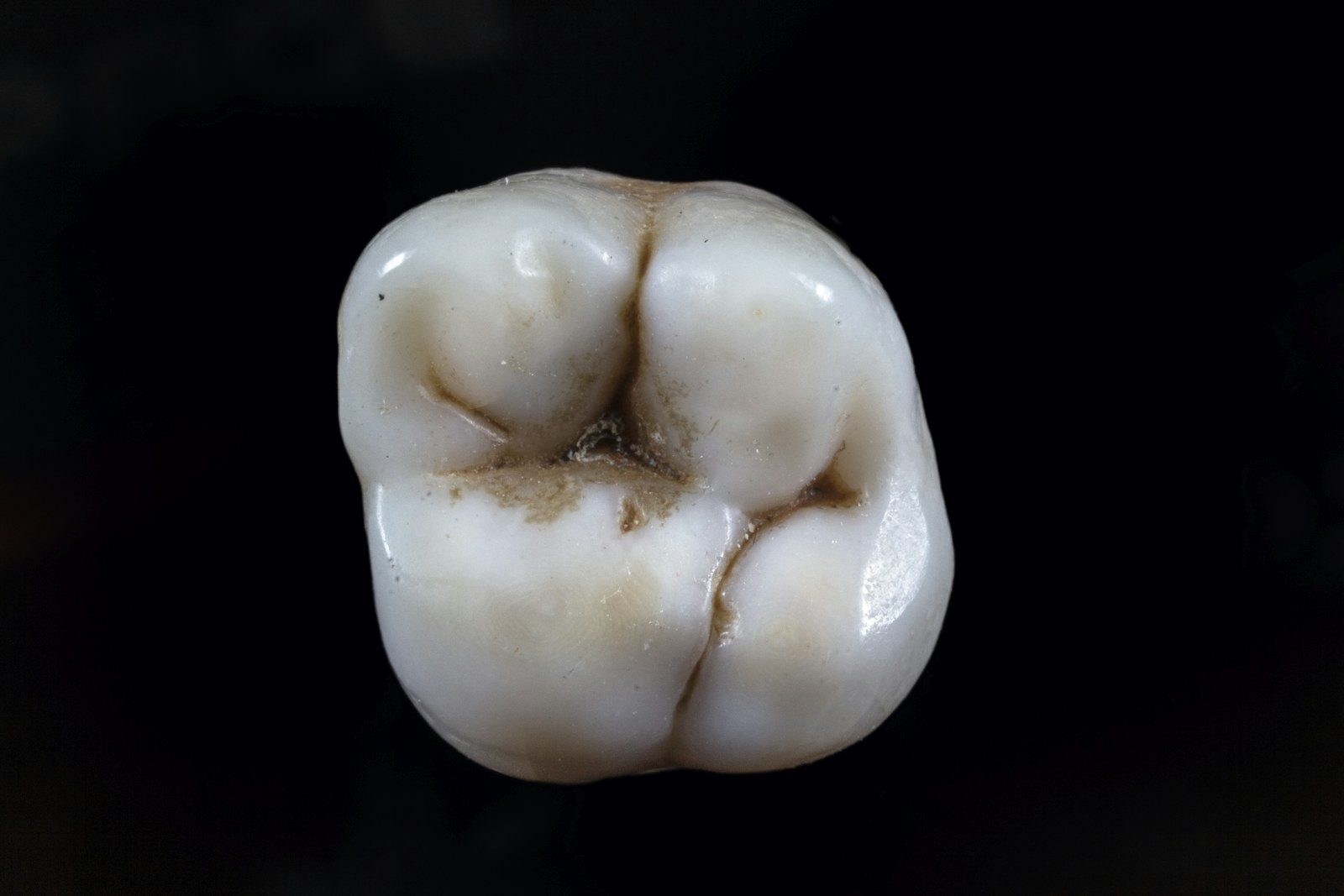
Zirconia is a strong, light-coloured ceramic. In a porcelain-fused-to-metal crown there is a metal framework under the veneering, and if the gum is thin or has receded, its edge may show through as a grey line. A zirconia crown has a light framework, so the border with the gum looks natural.
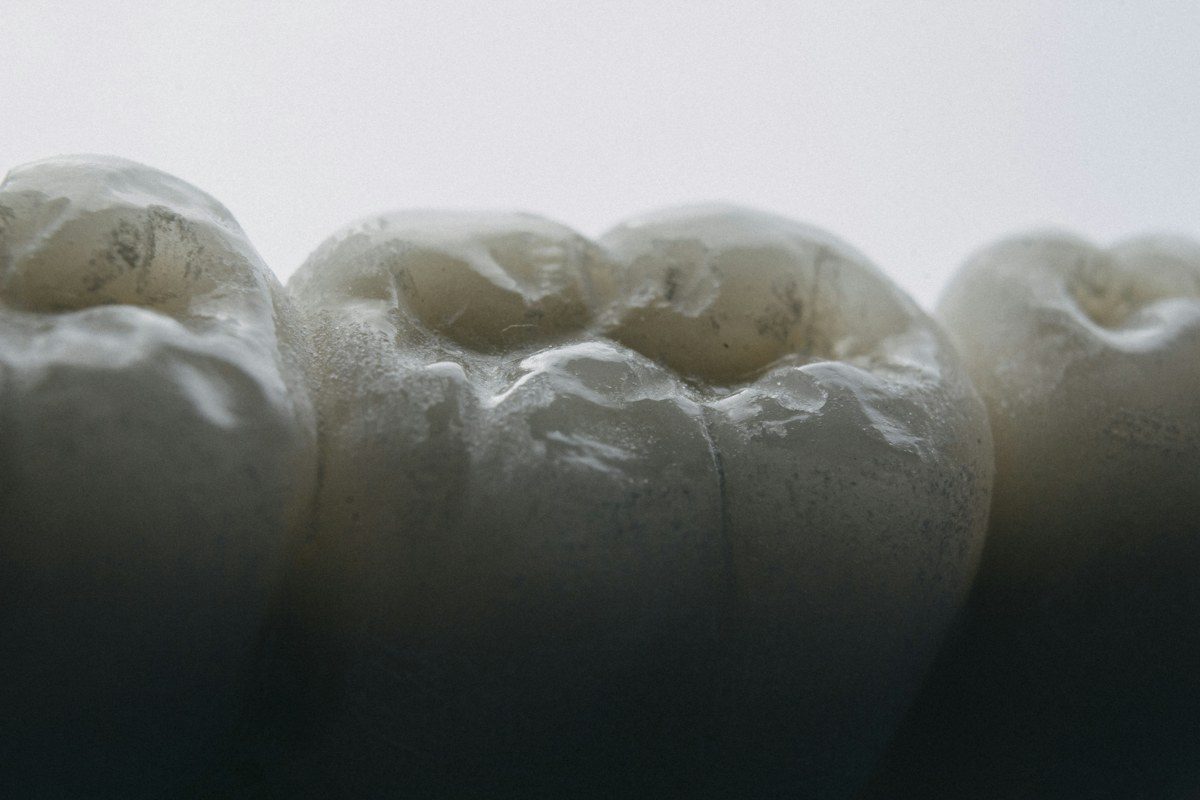
Compared with all-ceramic, zirconia is stronger but lets less light through. That is why it is more often chosen for chewing teeth and bridges, while for front teeth the doctor may suggest all-ceramic or zirconia with layered ceramic veneering.
Who it is for
- A crown is needed on a chewing tooth that bears a heavy load
- The tooth is in the smile zone, and it matters that there is no dark line at the gum
- The tooth has darkened after root canal treatment and its colour needs to be covered
- A tooth needs to be restored on an implant
- A metal-free bridge is needed
- You have a metal allergy or do not want metal in your mouth
Zirconia is not always suitable. For front teeth with highly translucent enamel, all-ceramic may look more natural, and if the tooth is only slightly damaged, the doctor may suggest an inlay or a veneer instead of a crown.
02 / Stages
How treatment goes
-
Stage 01
Examination and choice of material
The doctor assesses the tooth, the bite and the condition of the gum, takes an X-ray if needed and explains whether zirconia is suitable in your case.
-
Stage 02
Tooth preparation
Under local anaesthesia the tooth is shaped for the crown. If needed, root canal treatment is done first and the tooth core is rebuilt.
-
Stage 03
Impressions, shade and temporary crown
Impressions are taken and the shade is matched against a shade guide, comparing it with the neighbouring teeth. While the crown is being made, the tooth is covered with a temporary crown: it protects the tooth and keeps its appearance.
-
Stage 04
Fabrication
In the laboratory the zirconia framework is made, and the shape and colour of the crown are finished to the chosen shade.
-
Stage 05
Try-in and cementation
The crown is tried in, the fit, colour and bite are checked, and then it is fixed with cement. The doctor explains how to care for it.
03 / Prices
How much it costs
Prices are per crown. The implant and its placement are paid for separately — prices are on the implants page.
Full price list04 / Questions
Frequently asked questions
Zirconia or porcelain-fused-to-metal — which to choose?
Both materials withstand chewing load. Zirconia contains no metal and does not leave a dark line at the gum, so it is chosen more often where the edge of the crown is visible. Porcelain-fused-to-metal is more affordable and suits the back teeth. The decision is made together with the doctor after an examination.
Is zirconia suitable for front teeth?
Yes, it is also used in the smile zone, especially when a darkened tooth needs to be masked. But zirconia is denser and less translucent than all-ceramic, so if the enamel of the neighbouring teeth is light and translucent, the doctor may recommend an all-ceramic crown.
How is the crown shade chosen?
The shade is determined with a shade guide by comparing it with the neighbouring teeth, and this information is passed to the laboratory. The colour of a finished crown cannot be changed, so if you are planning whitening, it is done before the crown is made.
How do I care for a zirconia crown?
The same way as your own teeth: brush twice a day, clean between the teeth with floss or an interdental brush, and come for preventive check-ups. The crown itself is not affected by caries, but the tooth under it and the gum around it remain vulnerable. Avoid biting very hard things; if you clench or grind your teeth in your sleep, tell the doctor.
Start with a consultation
Consultation and examination by a doctor — 150 000 UZS. The doctor will draw up a treatment plan and tell you the exact cost.