General dentistry
Root canal treatment
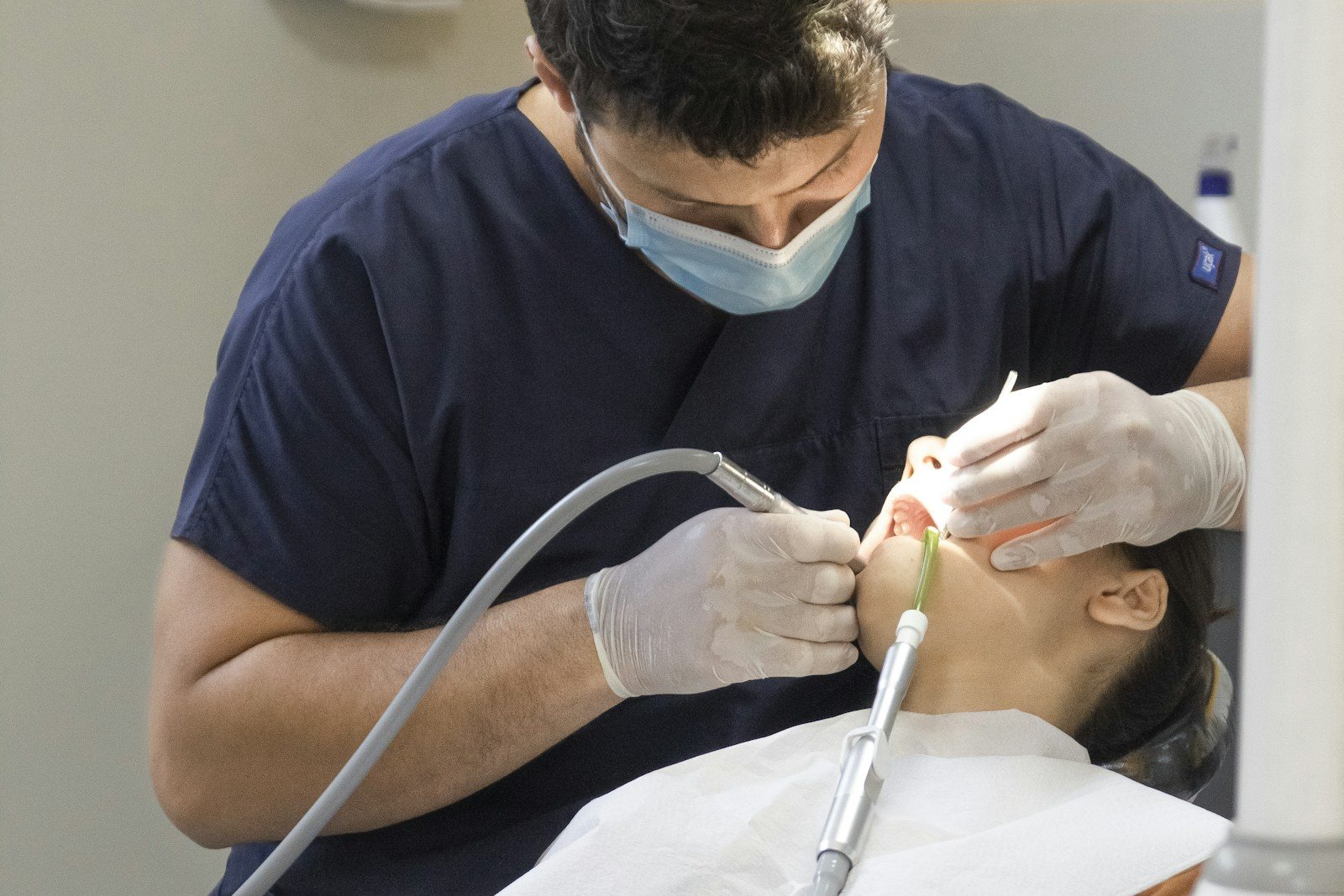
Root canals are treated when inflammation has reached the nerve of the tooth or the tissues at the root tip. The aim is to remove the infection and save the tooth rather than extract it.
- from 250 000 UZSfilling of one canal
- Under anaesthesiaroot canals are treated under local anaesthesia
- Based on an X-raythe doctor assesses the number and shape of the canals
01 / What it is
What root canal treatment is and when it is needed
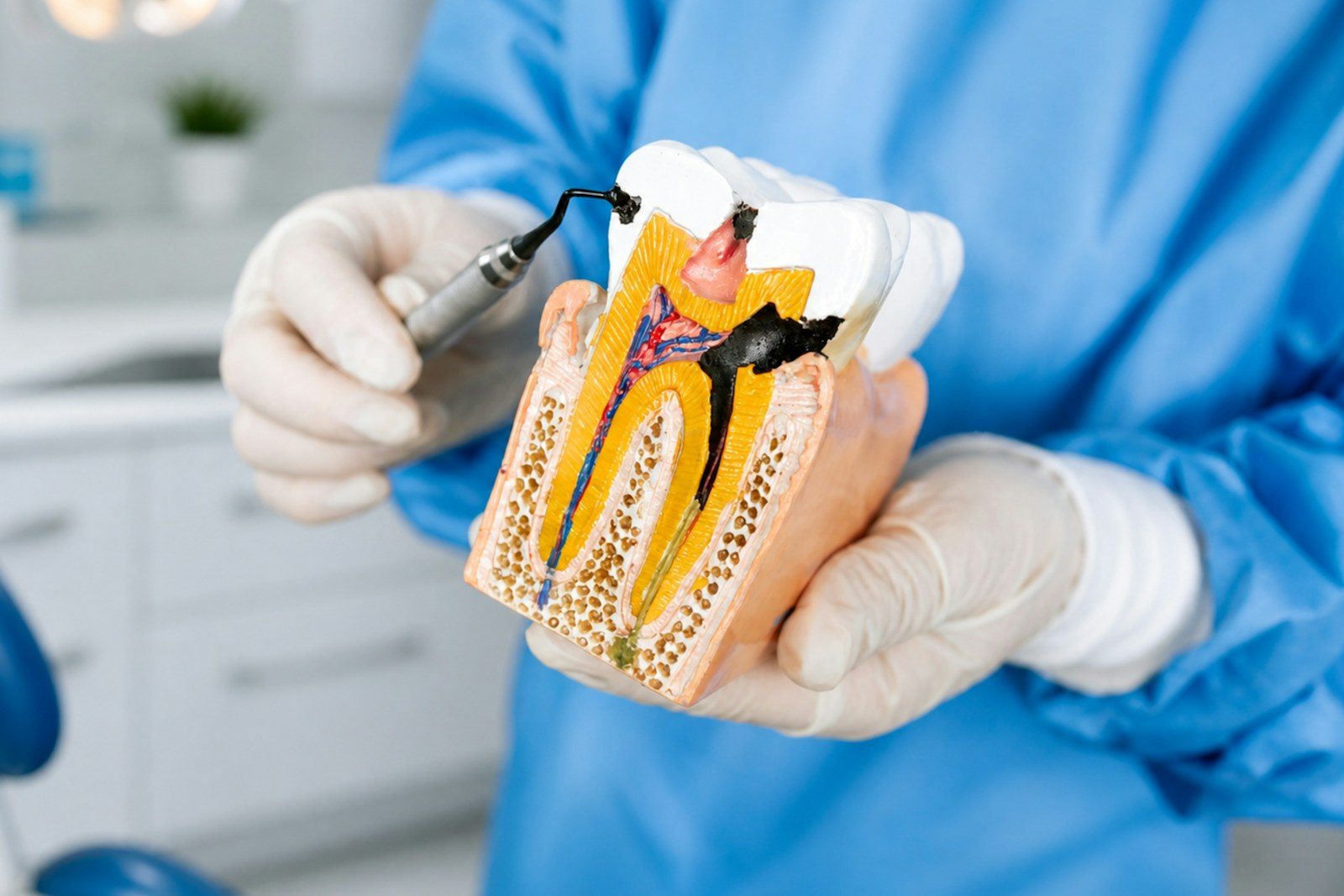
Inside the tooth is the pulp — the nerve and blood vessels. When caries reaches it, pulpitis develops; if the inflammation spreads beyond the root tip, it is called apical periodontitis. In both cases the canals are treated: inflamed or dead tissue is removed, the canals are cleaned and prepared, and then they are tightly filled.
The number of canals varies from tooth to tooth: front teeth usually have one, chewing teeth have several, and the amount of work depends on this. Previously treated teeth sometimes have to be retreated: the old material is removed, the canals are prepared again and temporarily filled with a medicated calcium hydroxide paste, after which they are filled permanently.
Who it is for
- Sharp or aching toothache that gets worse at night or with anything hot
- Pain when biting on the tooth
- Deep caries that has reached the nerve
- A fistula on the gum or swelling near the tooth
- An area of inflammation at the root on an X-ray, including in a previously treated tooth
- Preparing a tooth for a crown — if the doctor sees indications for it
If the tooth cannot be treated through the canals, the doctor may suggest root-end resection or extraction — this is decided after an examination and an X-ray.
02 / Stages
How treatment goes
-
Stage 01
Examination and X-ray
The doctor examines the tooth and uses the X-ray to assess the number and shape of the canals and the condition of the tissues at the root tip.
-
Stage 02
Anaesthesia and tooth isolation
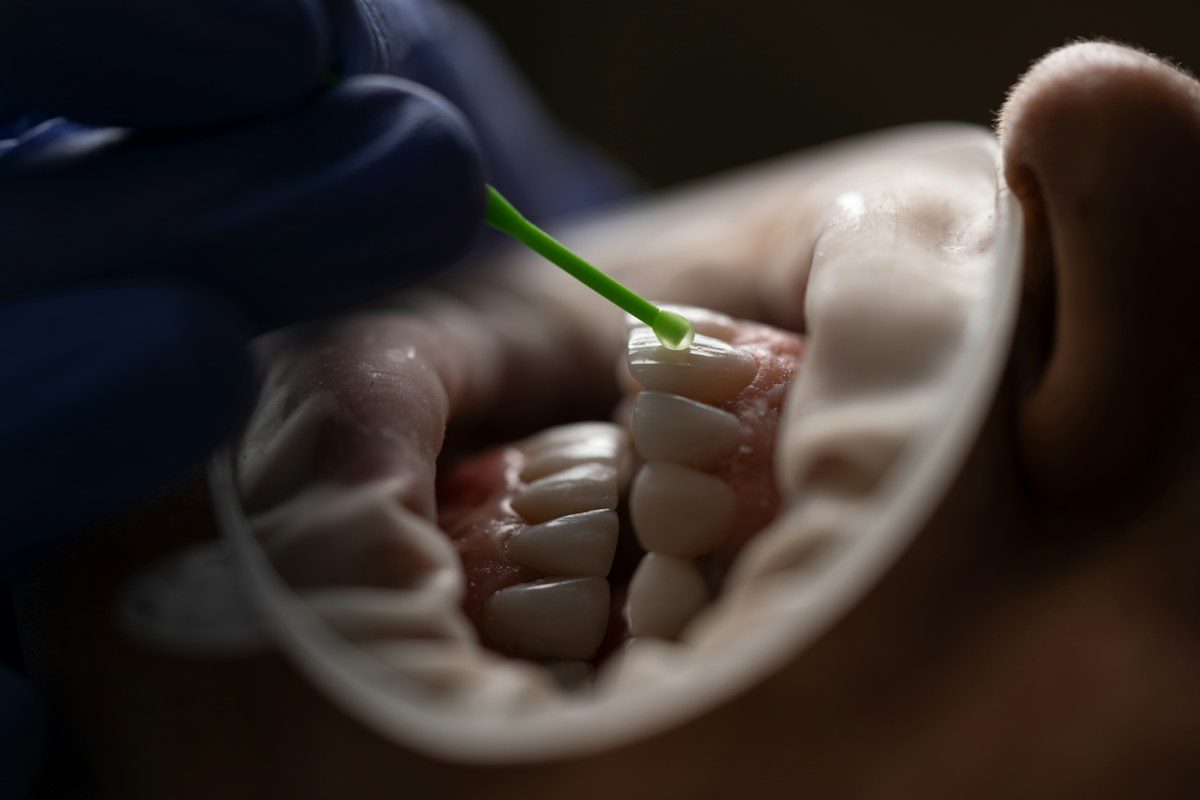
Treatment is performed under local anaesthesia. The tooth may be isolated with a rubber dam — a latex sheet that protects it from saliva.
-
Stage 03
Canal preparation
The doctor removes inflamed tissue or old filling material, widens the canals and irrigates them with an antiseptic.
-
Stage 04
Canal filling
The canals are filled with a permanent material. In marked inflammation a medicated paste is placed first and the permanent filling is done later. The quality of the filling is checked on an X-ray.
-
Stage 05
Tooth restoration
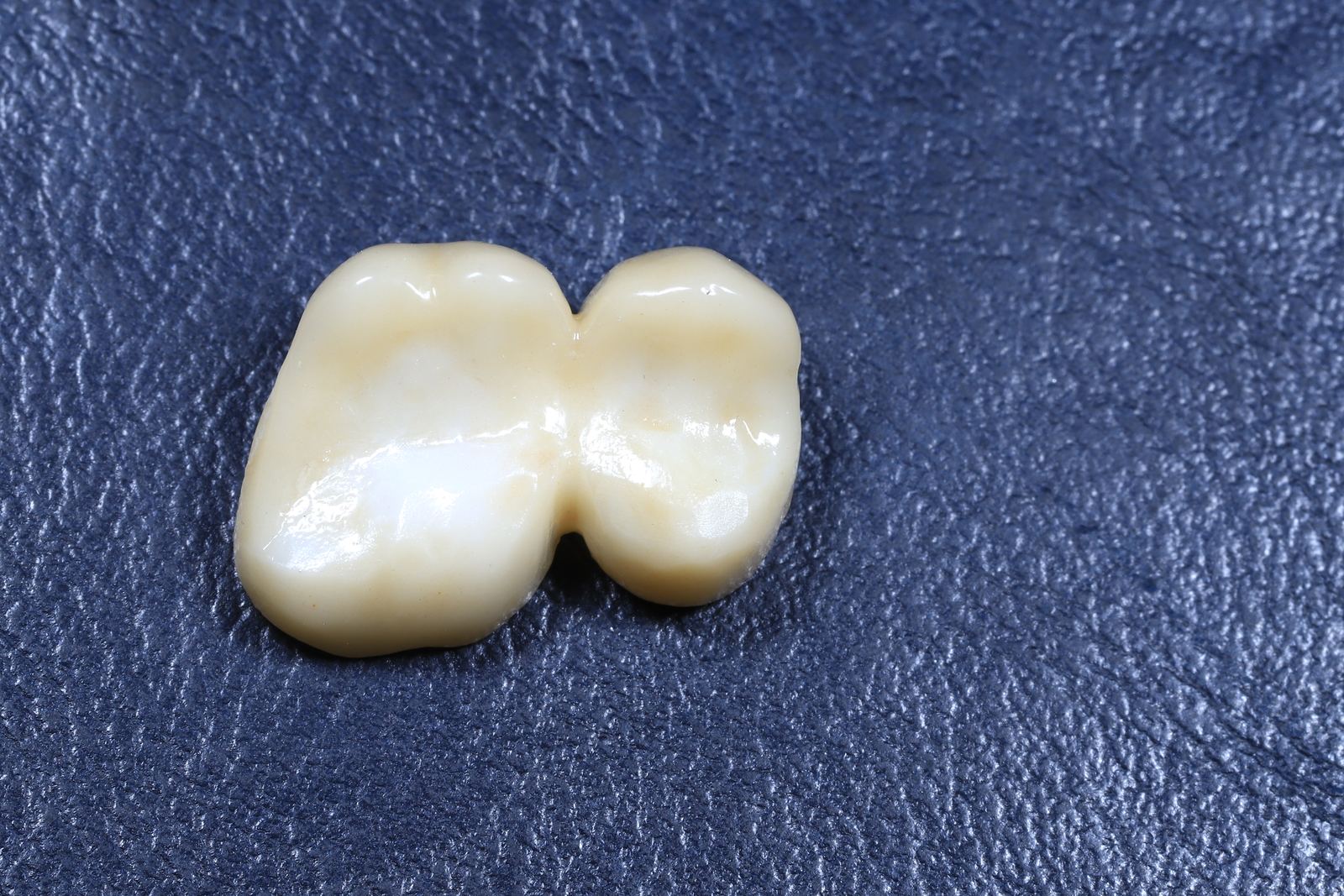
After root canal treatment the crown portion is restored with a filling, an inlay or a crown — depending on how much tissue remains.
03 / Prices
How much it costs
Prices are per tooth. Anaesthesia, X-rays and restoration of the tooth with a filling or a crown are charged separately. The doctor gives the final cost after an examination and an X-ray.
Full price list04 / Questions
Frequently asked questions
Does root canal treatment hurt?
Treatment is performed under local anaesthesia. After the visit the tooth may react to biting for some time — this is a normal response of the tissues around the root. If the pain increases or swelling appears, contact the clinic.
How many visits will it take?
It depends on the diagnosis and the number of canals. In marked inflammation and in retreatment the canals are temporarily filled with a medicated paste, so treatment takes several visits. The doctor draws up the plan after an examination and an X-ray.
Why are X-rays needed?
The canals cannot be seen during an examination. The doctor uses the X-ray to assess their number, length and curves, and after filling checks whether the canal is filled along its full length.
Is a crown needed after root canal treatment?
Not always. A tooth without a nerve becomes more brittle over time, and when a lot of tissue has been lost it is more reliably protected with an inlay or a crown. If the walls of the tooth are intact, a filling can be enough. The doctor decides based on the condition of the tooth.
Start with a consultation
Consultation and examination by a doctor — 150 000 UZS. The doctor will draw up a treatment plan and tell you the exact cost.