Prosthodontics
Splint for bruxism
With bruxism a person clenches or grinds their teeth, most often during sleep. An orthotic splint separates the dental arches and takes the load on itself, and the TENS procedure helps to relax the chewing muscles.
- from 1 800 000 UZSorthotic (splint)
- From an impressionthe splint is made individually
- After an examinationthe doctor assesses the teeth, muscles and joint
01 / What it is
What an orthotic and TENS are
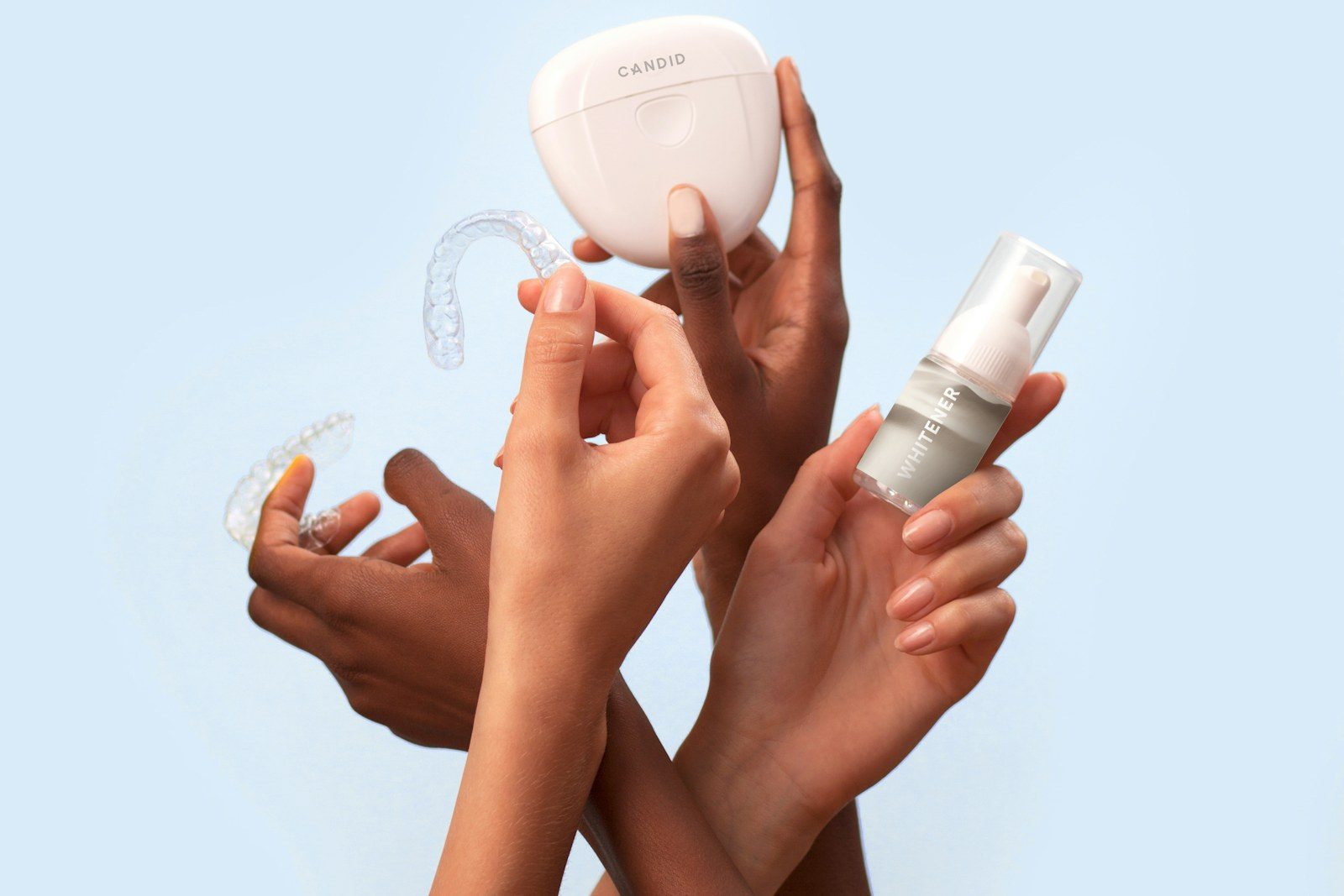
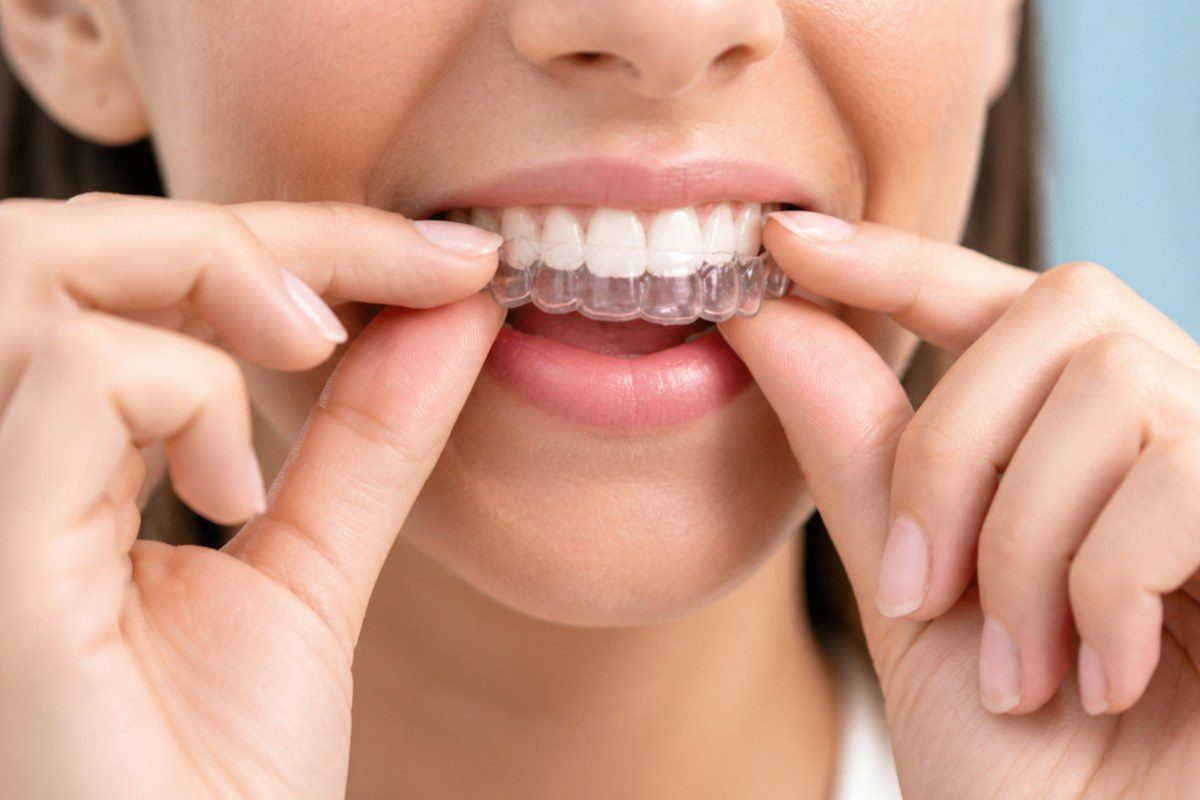
An orthotic is a removable appliance worn over the dental arch, made from an impression of your teeth. It keeps the upper and lower teeth from touching directly: during clenching and grinding it is the splint that wears down, not the enamel, fillings and crowns. The orthotic also sets the lower jaw in a position that is easier on the muscles and the joint. A splint does not remove the cause of bruxism — it protects the teeth and reduces the load.
TENS stands for transcutaneous electrical nerve stimulation. Electrodes are placed on the skin over the chewing muscles and deliver weak electrical impulses; the muscles rhythmically contract and relax. The procedure is used to relieve overstrain of the chewing muscles. Whether it is needed, and in what combination with a splint, is decided by the doctor after an examination.
Who it is for
- People close to you hear you grinding your teeth in your sleep
- In the morning the chewing muscles are tired or sore, the jaw feels “locked”
- The teeth are wearing down, the enamel chips and sensitivity increases
- Fillings, restorations or the ceramic on crowns often chip
- Clicking or crunching in the joint when opening the mouth
- You notice that you clench your teeth during the day when tense
Clicking in the joint, headache and pain around the ear do not occur only with bruxism. If the complaints are not related to the teeth and the bite, the doctor will refer you to the relevant specialist.
02 / Stages
How treatment goes
-
Stage 01
Examination and complaints
The doctor asks about the symptoms, examines the teeth, chewing muscles and joint, and assesses the bite. An X-ray is ordered if necessary.
-
Stage 02
TENS procedure
If the muscles are overstrained, the doctor may prescribe electrical nerve stimulation to relax them before the jaw position is determined.
-
Stage 03
Impressions and bite registration
Impressions are taken of both jaws and the position in which the splint will be made is recorded.
-
Stage 04
Fabrication and fitting
The finished splint is tried in, the tooth contacts are checked and, if necessary, it is adjusted so that it fits snugly and does not get in the way.
-
Stage 05
Wearing and follow-up
The doctor explains the wearing schedule and how to care for the splint, and schedules check-ups at which the splint is checked and adjusted.
03 / Prices
How much it costs
Impressions and the consultation are paid for separately. The TENS price is per session; whether the procedure is needed and how many sessions is decided by the doctor after an examination.
Full price list04 / Questions
Frequently asked questions
Will a splint cure bruxism?
A splint does not remove the cause of bruxism. Its job is to protect the teeth, fillings and crowns from wear and chipping and to reduce the load on the muscles and the joint. Bruxism has various causes, among them stress and sleep disorders, so help from other specialists is sometimes needed as well.
How does an orthotic differ from a ready-made mouthguard from a pharmacy?
An orthotic is made from impressions of your teeth and adjusted to your bite at the appointment, and then checked at follow-up visits. A ready-made mouthguard of a standard shape does not take an individual person's bite into account. Which option you need is best discussed with the doctor.
How is the TENS procedure carried out?
Electrodes are placed on the skin over the chewing muscles. Weak impulses are delivered through them, making the muscles contract rhythmically; this is usually felt as a slight twitching. Before the procedure, tell the doctor about a pacemaker or other implanted electronic devices, about pregnancy and chronic conditions.
How do I care for the splint?
After wearing, the splint is rinsed with cool water and cleaned with a soft brush, and stored in its case. Hot water can deform it. Bring the splint to check-ups: the doctor assesses its wear and adjusts it if necessary.
Start with a consultation
Consultation and examination by a doctor — 150 000 UZS. The doctor will draw up a treatment plan and tell you the exact cost.