General dentistry
Restoration of front teeth
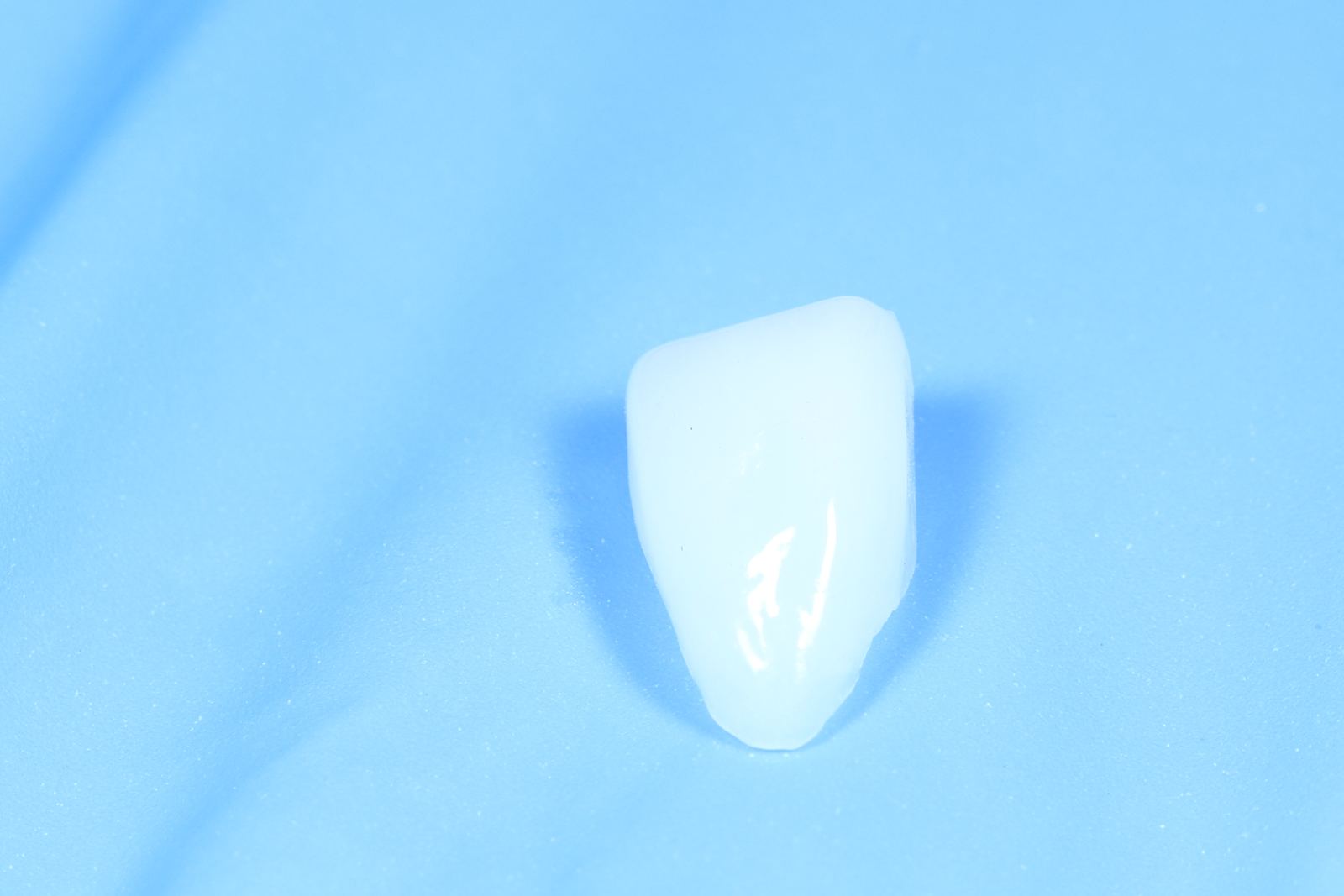
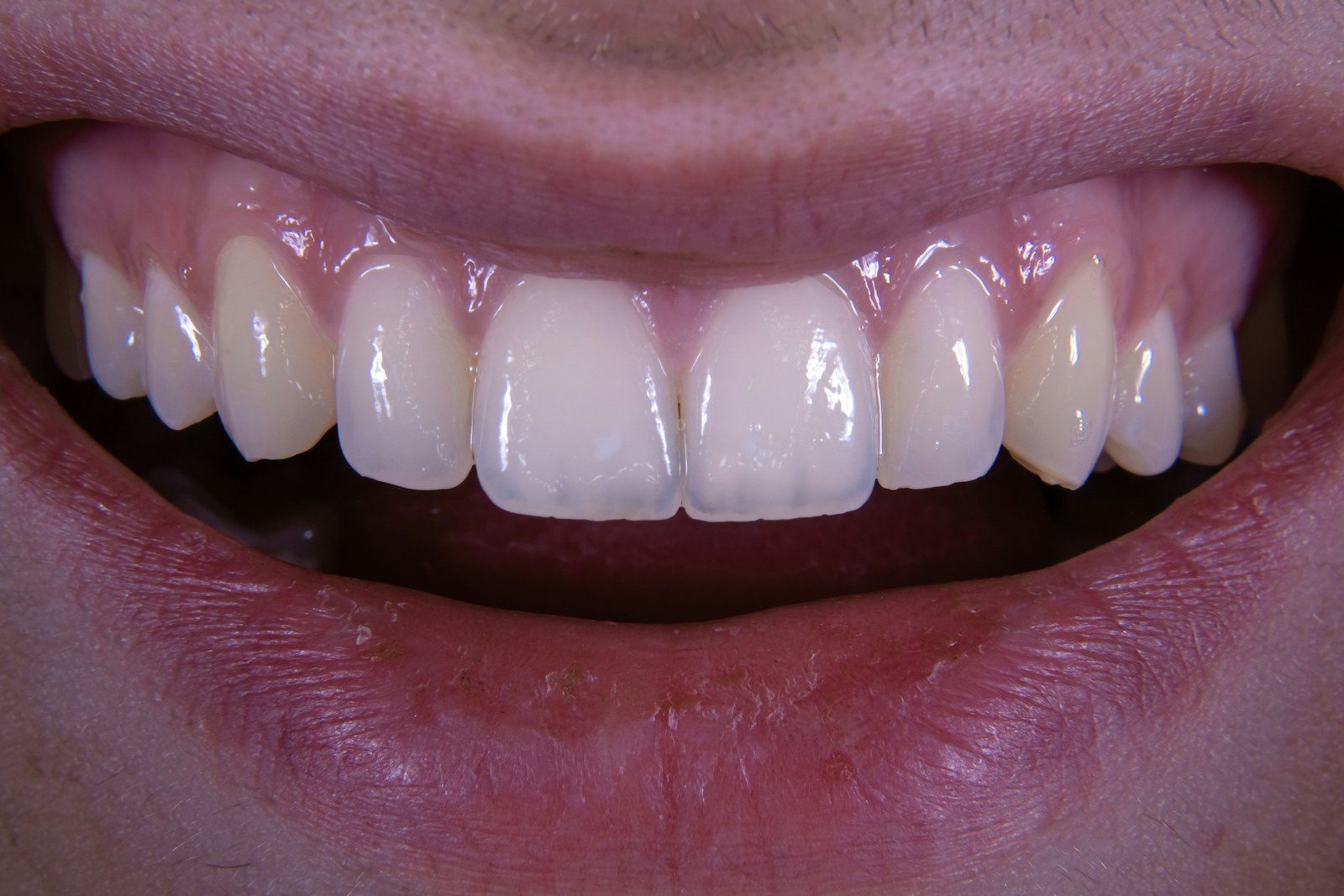
A chip, a gap between teeth or a darkened old filling on a front tooth can be corrected with composite — a light-cured material that the doctor applies in layers directly onto the tooth and matches by shade.
- from 750 000 UZSfront tooth restoration
- No laboratorythe doctor restores the tooth directly in the mouth
- Tooth-colouredthe composite shade is matched to the neighbouring teeth
01 / What it is
How composite restores a tooth
Composite is a mouldable material that hardens under the light of a special lamp. The doctor applies it in small portions, shapes each one and cures it with light. This is how a chipped edge is rebuilt, a gap between teeth is closed, and an old filling that has darkened or differs in colour is replaced. Only a small amount of healthy tooth tissue is prepared in the process.
Over time composite may change colour and lose its gloss, so restorations need care and periodic polishing. If the defect is large or the shape and colour of several teeth need to be changed at once, the doctor may suggest an alternative — veneers or crowns. Which method is suitable is determined after an examination.
Who it is for
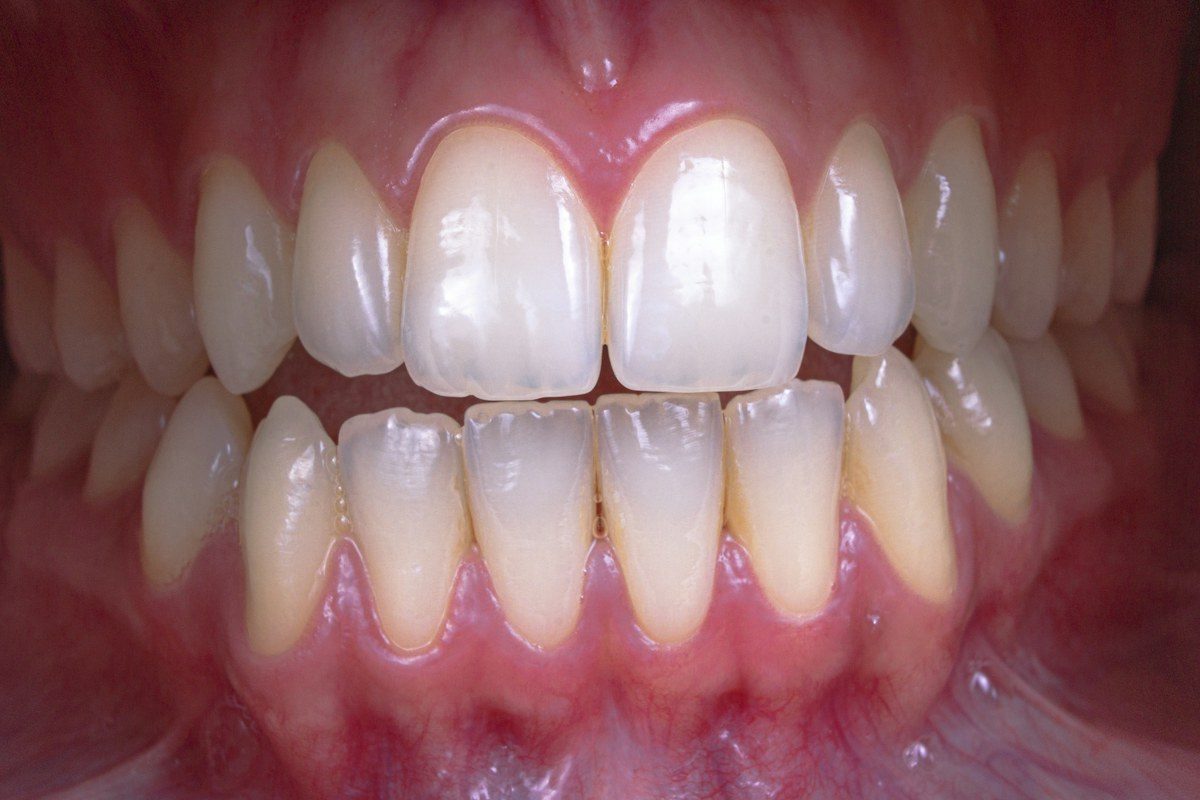
- A chipped incisal edge or corner of a front tooth
- A gap between the front teeth
- An old filling has darkened or its colour is noticeable
- Caries on the front or side surface of a front tooth
- A wedge-shaped defect at the neck of the tooth
- The tooth differs slightly in shape from its neighbours
If the tooth is badly damaged or has had root canal treatment, a composite restoration may not be enough — in that case the doctor will suggest a veneer or a crown.
02 / Stages
How treatment goes
-
Stage 01
Examination and shade matching
The doctor assesses the defect, orders an X-ray if needed and matches the composite shades to the neighbouring teeth.
-
Stage 02
Tooth isolation
The tooth is isolated from saliva, for example with a rubber dam: composite bonds reliably only to a dry surface.
-
Stage 03
Surface preparation
The doctor removes carious tissue and the old filling, if present, and prepares the surface for bonding with the material.
-
Stage 04
Layer-by-layer restoration
Composite is applied in layers, and each layer is cured with light. This recreates the shape of the tooth and its colour transitions.
-
Stage 05
Finishing and polishing
The restoration is finished and polished to a shine, and the bite is checked. The doctor explains how to care for it.
03 / Prices
How much it costs
Prices are per tooth. Anaesthesia, the X-ray and the rubber dam are charged separately. The doctor determines the method of restoration after an examination.
Full price list04 / Questions
Frequently asked questions
Will the restoration be noticeable?
Composite shades are matched to the neighbouring teeth, and the material is applied in layers to reproduce the natural colour transitions. How well the restoration blends with the tooth depends on the size of the defect and the original colour of the enamel — the doctor discusses this with you before starting.
Which to choose: a restoration or a veneer?
The doctor makes a composite restoration directly on the tooth, with no laboratory stage; it can be adjusted and polished. A veneer is a ceramic shell made in a laboratory; ceramic keeps its colour and gloss better, but costs more and requires preparation of the tooth. The choice depends on the size of the defect, the number of teeth and your expectations.
How do I care for a restoration?
The same way as your own teeth: brushing twice a day and regular professional cleaning, during which the restoration can be polished. Staining drinks and smoking change the colour of composite over time. Do not bite off very hard food or chew on foreign objects with your front teeth.
Can a tooth with a restoration be whitened?
Whitening acts on the tooth's own tissue and does not change the colour of composite. So if you are planning whitening, tell the doctor in advance: usually the teeth are lightened first, and then the composite is matched to the new shade.
Start with a consultation
Consultation and examination by a doctor — 150 000 UZS. The doctor will draw up a treatment plan and tell you the exact cost.